
Cash-Secured Is Not Downside-Protected
A cash-secured put reserves the purchase cash, but that reserve does not cap the stock's downside. Start with assignment-ready math before treating premium as income.
YieldCove Desk
2 min read
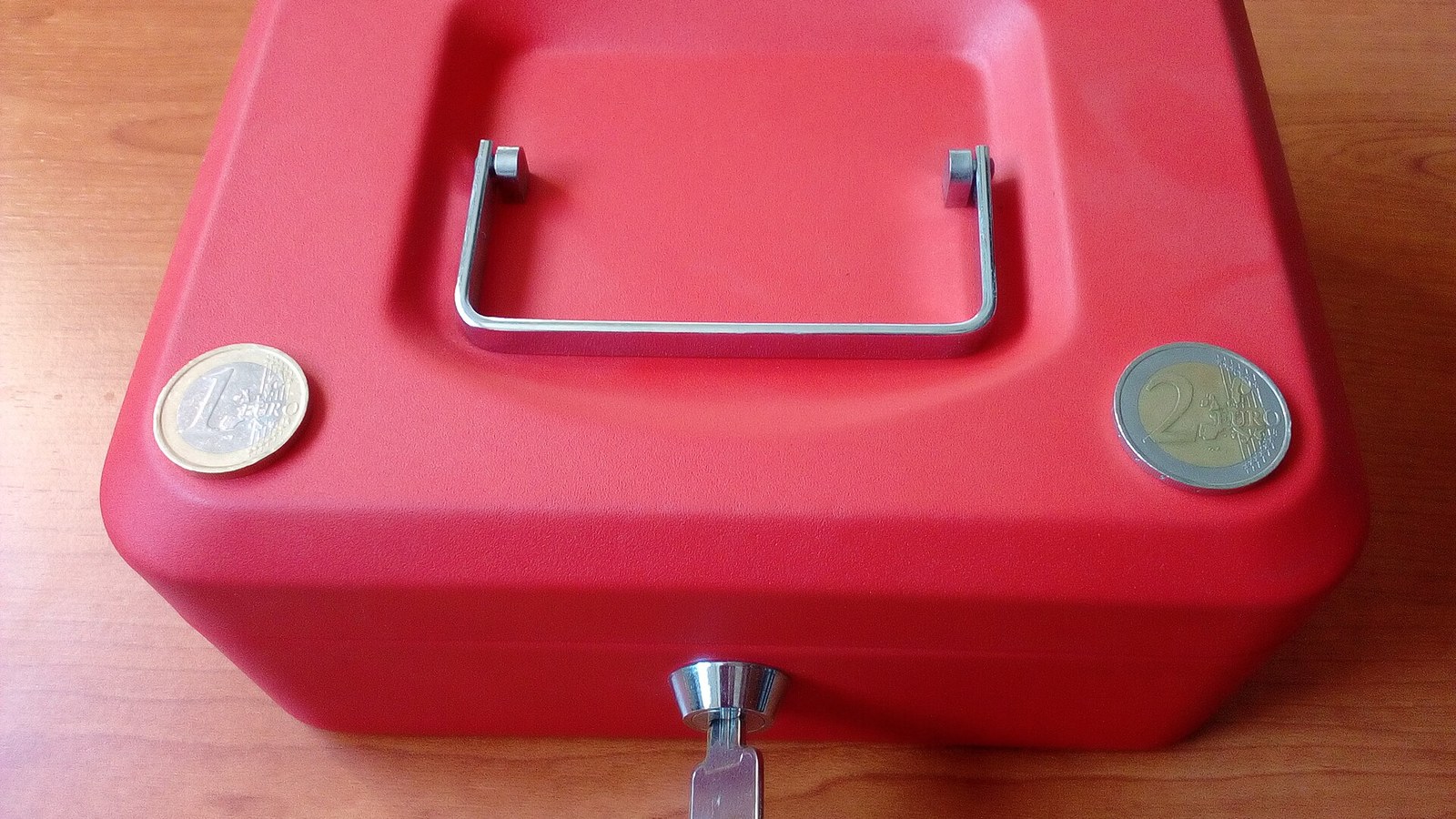
The one-line distinction
Cash-secured describes how the purchase obligation is funded. It does not protect the position from a falling share price.
What the cash actually secures
The Options Industry Council defines a cash-secured put as writing a put while setting aside enough cash to buy the shares if assigned. That reserve solves a liquidity problem: it makes the contract's purchase obligation fundable. It is not an insurance policy on the underlying stock.
The same OIC strategy page describes the maximum option gain as limited and the maximum loss as limited but substantial. In plain terms, the premium is capped, while most of the downside between the strike and zero remains with the put writer.
One contract, four numbers
Consider a purely illustrative put with a $50 strike and a $2.00 premium per share. One standard equity-option contract represents 100 shares. Ignoring fees and taxes, the arithmetic is:
Cash reserved
$5,000
Premium collected
$200
Effective basis if assigned
$48/share
Downside if shares reach zero
$4,800
| Share price | Position versus $48 effective basis | What the premium changed |
|---|---|---|
| $55 | +$700 | The $200 premium adds to the stock gain |
| $48 | $0 | The premium offsets $2.00 of decline from the strike |
| $42 | −$600 | The premium softens, but does not erase, the loss |
| $30 | −$1,800 | Most downside remains exposed |
The important comparison is not premium versus zero. It is the assigned shares' market value versus the $48 effective basis. At $42, the $200 premium has already been included in the math; the position is still down $600. Counting the premium again would double-count it.
Assignment can arrive before expiry
OIC's assignment FAQ says a seller of an American-style option can be assigned on any business day. It also notes that an open short put can still carry the obligation to buy at the strike when the underlying stock is halted. Expiration day is therefore not the only date that matters for cash planning.
Collateral is not spare cash
If one contract reserves $5,000, opening a second similar contract doubles the funded purchase obligation to $10,000. Reusing the same dollars in another position turns a cash-secured label into a funding mismatch.
An assignment-ready worksheet
Before any short put is treated as an income position, an educational worksheet can separate five decisions that the premium alone cannot answer:
- Ownership test: Would 100 shares per contract still fit the original thesis after a sharp decline?
- Funding test: Is the full strike × 100 × contracts amount reserved without relying on another sale?
- Concentration test: How large would the assigned shares become relative to the rest of the portfolio?
- Calendar test: Do earnings, corporate actions or other known events occur while the option is open?
- Exit test: Is the plan defined for assignment, expiration and an early close without assuming a future covered-call premium?
What the premium does—and does not do
Premium lowers the effective purchase basis and provides a finite buffer. It does not place a floor under the stock, eliminate assignment, guarantee a profitable covered call, or turn an unsuitable stock into a suitable one. The cleanest wheel math starts with assignment exposure; the premium comes second.
Educational takeaway
A cash-secured put is assignment-ready only when both the cash and the willingness to own the shares are present. Cash covers the obligation; conviction and position sizing govern the risk.
Sources
- [1]Cash-Secured Put — The Options Industry Council · Accessed 2026-07-29 · Tier 1
- [2]Options Assignment FAQ — The Options Industry Council · Accessed 2026-07-29 · Tier 1
This content is for informational and educational purposes only and is not financial advice. Options involve risk and are not suitable for every investor. Do your own research before trading.
More tips from the desk

Open Interest Is Not a Queue of Buyers
Sixty contracts can trade while open interest ends exactly where it started. For wheel sellers, outstanding positions are not a promise of liquidity or an easy exit.

At Expiration, the Closing Price Is Not Confirmation
Exercise-by-exception sets a default, not a guaranteed assignment outcome. One put example separates the closing price, the holder’s choice and the full cash payment if assigned.

Put Delta Is Not an Assignment Forecast
Delta estimates price sensitivity, not a promise about assignment. A −0.30 example separates a $30 price response from the full $5,000 purchase obligation.