All Pro Tips

Option Quotes Have Two Prices: Measure the Bid–Ask Spread

An option’s bid and ask can hide a large dollar gap inside an attractive premium. Convert the spread into dollars per contract before comparing wheel returns.

YieldCove Desk

3 min read

Share on X
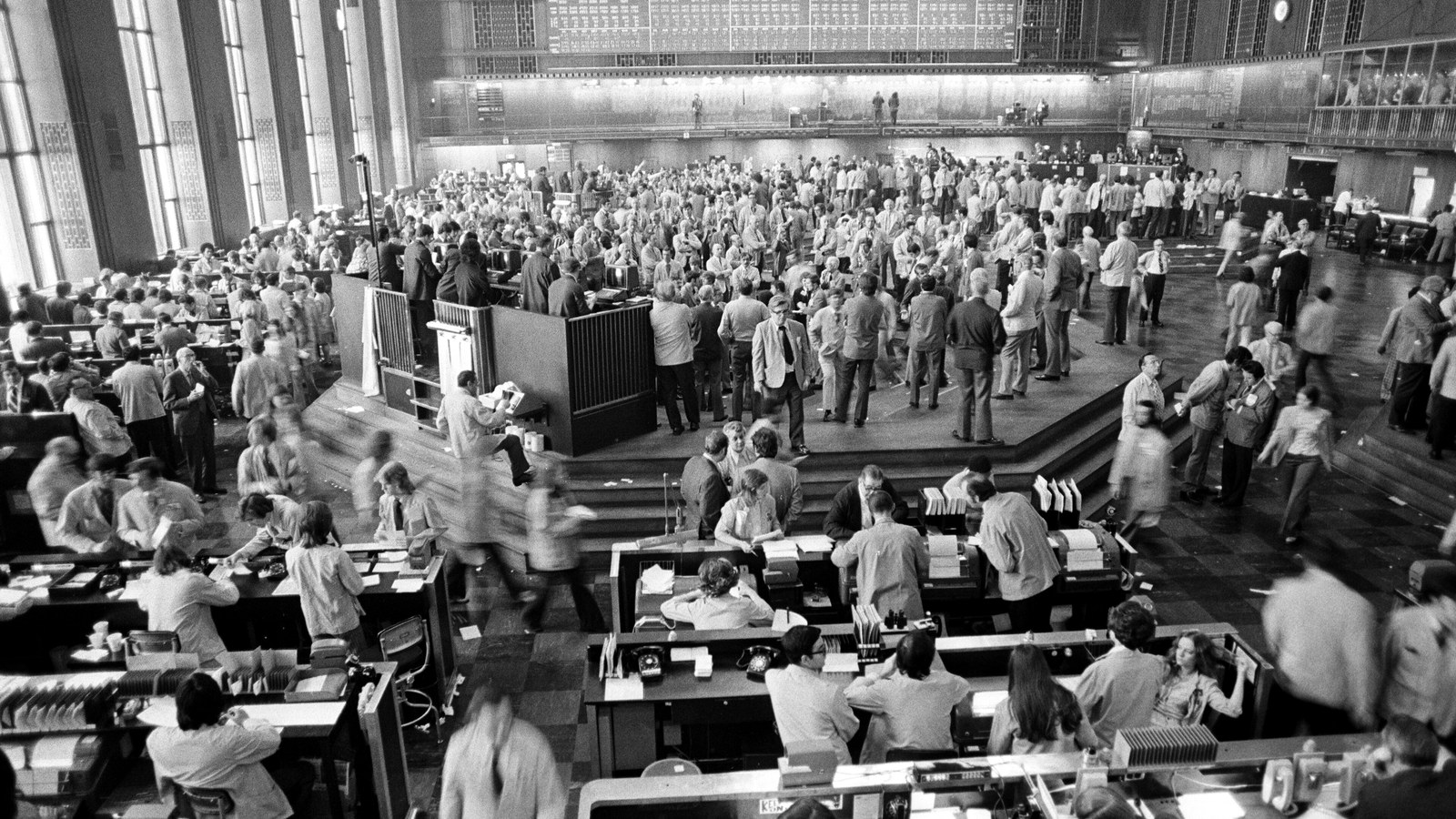
Black-and-white photograph of a crowded commodities trading floor beneath a large quote board
Photo: U.S. National Archives via USDA/Wikimedia Commons (public domain; cropped)

The one-line distinction

An option quote is a range, not one executable price. The bid–ask spread is not a broker fee, but it can become an execution hurdle when a trade crosses from one side of the quote to the other.

One quote, two executable edges

The Options Industry Council describes the bid as the highest displayed price a buyer is willing to pay and the ask as the lowest displayed price at which a seller is willing to sell. OPRA combines exchange quotes into the National Best Bid and Offer. A screen showing $1.00 bid / $1.40 ask therefore does not say that the option is worth one settled price.

Worked example: a $1.00 × $1.40 market

For one standard equity-option contract representing 100 shares, the midpoint is ($1.00 + $1.40) ÷ 2 = $1.20 per share. The quoted width is $1.40 − $1.00 = $0.40 per share, or $40 per contract. Relative to the midpoint, the width is $0.40 ÷ $1.20 = 33.33%.

Bid

$1.00/share

Ask

$1.40/share

Midpoint

$1.20/share

Quoted width

$40/contract

ReferencePer shareOne contractWhat it means
Sell at displayed bid$1.00 credit$100 creditThe buyer’s highest displayed price
Midpoint$1.20$120Arithmetic reference, not a promised fill
Buy at displayed ask$1.40 debit$140 debitThe seller’s lowest displayed price
Full quoted spread$0.40$40Gap between the displayed edges
Illustrative quote math for one 100-share contract; actual fills can differ

If a position were sold at the displayed bid and immediately repurchased at the displayed ask with the quote unchanged, crossing both edges would create a $40 gross gap before commissions and taxes. That is a boundary example, not a prediction: orders can receive better or worse execution, quotes can move, and there may be no fill at a chosen price.

The spread can change the headline return

Now place the same quote beside a purely illustrative cash-secured put with a $50 strike. Reserving $50 × 100 = $5,000 and collecting $1.00 × 100 = $100 produces a 2.00% gross period premium return. The full $40 quote width equals 0.80% of the $5,000 collateral; a fill at $1.20 instead of $1.00 changes gross premium by $20, or 0.40% of collateral. These figures exclude commissions and taxes and do not annualize the result.

The midpoint is a ruler, not a receipt

A midpoint is useful for measuring quote width. It is not proof that an order could execute there, and a displayed size or price can change before an order reaches the market.

Separate option value from tradability

OIC explains that option premium contains intrinsic value and time value, with the underlying price, strike, time to expiry and implied volatility among the important inputs. Those pricing ingredients do not erase the execution question. A large premium can still sit inside a wide market, so premium size and quote quality are separate observations.

A four-line quote worksheet

  1. Record the quote timestamp, bid, ask and displayed sizes before doing return math.
  2. Calculate midpoint, spread per share and spread as a percentage of midpoint.
  3. Multiply the per-share spread by 100 and by the number of standard contracts.
  4. Model the bid, midpoint, ask and no-fill outcomes separately; record only the actual execution price afterward.

What this changes in wheel accounting

Wheel returns belong to the executed premium, not the midpoint or the last displayed trade. Keeping the quote snapshot and the fill as separate fields prevents a theoretical credit from becoming a realized one on paper. It also makes spread cost visible beside assignment exposure, concentration and event risk.

Educational takeaway

Before comparing premium returns, translate the bid–ask spread into dollars per contract. The quote range shows how much execution uncertainty can sit inside a seemingly simple credit.

Sources

  1. [1]Understanding the Bid and Ask Prices for OptionsThe Options Industry Council · Accessed 2026-08-26 · Tier 1
  2. [2]Options PricingThe Options Industry Council · Accessed 2026-08-26 · Tier 1

This content is for informational and educational purposes only and is not financial advice. Options involve risk and are not suitable for every investor. Do your own research before trading.

More tips from the desk