All Pro Tips

Wheel screen says wait: 10 puts miss the full gate

Ten puts reached the first filter, but none cleared the complete market gate. No premium or expected fill is published from the 9:50 a.m. ET snapshot.

YieldCove Desk

4 min read

Share on X
GOOGLAKAMDRAM
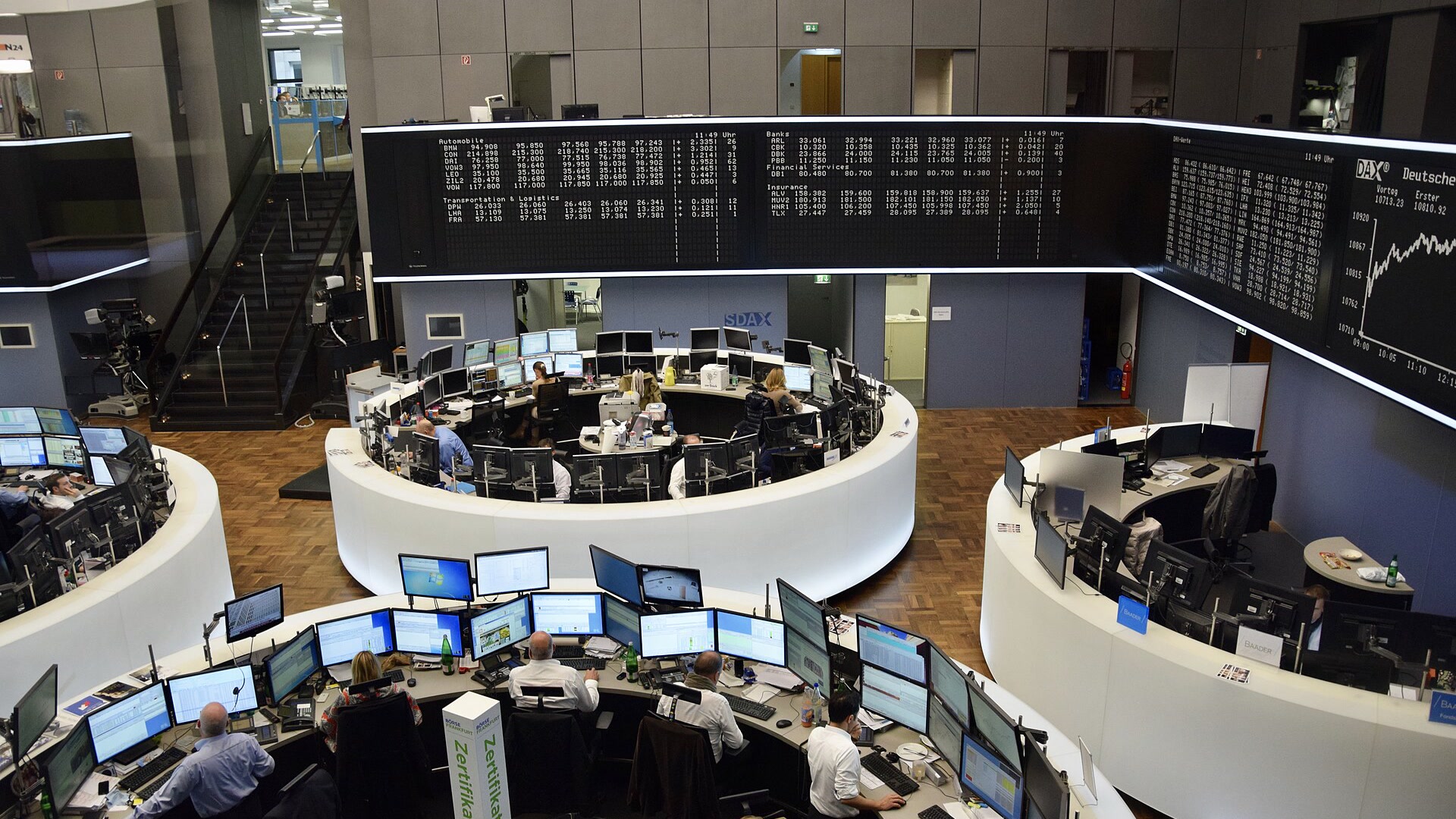
Electronic quote boards above the Frankfurt Stock Exchange trading floor
Photo: Ank Kumar — Wikimedia Commons (CC BY-SA 4.0; cropped)

Live watchlist

24 names

Eligible after dedupe

7 names

First-filter puts

10 lines

Full mechanical passes

0

Verified setups

0

Morning ticket

Wait

The setup in 30 seconds

The morning screen found active options, but not a clean cash-secured put. Eddie’s live watchlist held 24 names. Removing every ticker represented in the latest ten Tips left 7 eligible names. They produced 10 puts with 30–45 days to expiry (DTE), delta from 0.15 to 0.30 and at least 500 contracts of open interest. None crossed the full finish line. Zero puts combined a narrow enough quoted width, two matching market observations, at least 12% annualized midpoint comparison and roughly 8% or more breakeven cushion. The delayed snapshot was taken around 9:50 a.m. ET; the morning live-entry window ends 10:30 a.m. ET. A blank ticket is more useful than a precise-looking number built from a poor market.

New to cash-secured puts?

Selling one put can require buying 100 shares at the strike if assignment occurs. “Cash-secured” means reserving the entire strike value in cash. A contract can have plenty of open interest and still be a weak educational setup when its quoted market is wide or its independent check is incomplete.

Today’s result: no ticket

Observed putDTE · delta · OIQuoted width checksReason it stopped
GOOGL Sep. 25 $32030 · 0.166 · 71128.04% / 28.04%Width above 8%; return below 12%
GOOGL Sep. 25 $32530 · 0.211 · 51429.73% / 29.73%Width above 8%; cushion below 8%
AKAM Sep. 25 $9530 · 0.209 · 91276.54% / 72.00%Both checks far above 8%
DRAM Oct. 2 $5037 · 0.256 · 3,51414.35% / incompleteWidth above 8%; independent check incomplete
Complete setup0 passed every gateNone
Rejected observations from the August 26 delayed snapshot around 9:50 a.m. ET. These rows show where the filter stopped; they are not entry tickets.

GOOGL came closest on assignment cushion, but neither contract offered a usable doorway. The September 25 $320 put had 711 contracts open and 0.1662 delta. Its quoted width was 28.04% in both observations, while its annualized midpoint comparison was 10.17% and its breakeven cushion was 8.06%. In plain terms: it missed the width rule and the 12% return comparison even before deeper company research could matter.

Why open interest did not rescue the screen

The September 25 GOOGL $325 put lifted the annualized midpoint comparison to 13.85%, but the cushion fell to 6.90% and quoted width rose to 29.73%. More premium was paired with less room under the stock and a wider market. In plain terms: a larger midpoint did not make the contract cleaner.

AKAM and DRAM reinforce the same lesson from different angles. The AKAM September 25 $95 put showed 912 contracts open, yet its two width observations were 76.54% and 72.00%. DRAM’s October 2 $50 put showed 3,514 contracts open, but its observed width was 14.35% and the independent quote check was incomplete. In plain terms: a large outstanding contract count cannot replace a dependable entry market.

Why no premium scoreboard appears

Midpoint math is useful for comparison, not a promise of execution. Premium, cash reserved, breakeven, cushion and annualized return belong in a trade table only after one contract clears every market gate. Publishing those figures for a rejected row would turn a diagnostic observation into a misleading ticket.

What the screen tested first

  • Time and sensitivity: 30–45 DTE and delta from 0.15 to 0.30.
  • Participation: at least 500 contracts of open interest at the exact strike.
  • Market quality: quoted width at or below 8% in two independent observations.
  • Economics: at least 12% annualized midpoint comparison and roughly 8% breakeven cushion.

These checks come before RSI(14), 20/50/200-day moving averages, relative volume, support, valuation, implied-volatility history, earnings and the macro calendar. That order is deliberate. A strong company story cannot tighten a wide option quote, and a familiar watchlist name does not earn a softer liquidity standard.

The re-screen plan

  • Rebuild every quote: after 10:30 a.m. ET, the morning snapshot is stale for entry purposes.
  • Demand the full gate: keep both width observations at 8% or less before calculating a ticket.
  • Research one survivor: only then verify technicals, valuation, income, earnings and macro dates.
  • Keep cash uncommitted: a wait result is a process decision, not a forecast about any ticker.

What would invalidate the wait result

A fresh snapshot could change the answer if one eligible put keeps 30–45 DTE, 0.15–0.30 delta, at least 500 contracts of open interest, two width observations at or below 8%, at least 12% annualized midpoint comparison and roughly 8% breakeven cushion. That contract would still need a new full dossier before any educational ticket appeared.

What could go wrong by forcing an entry

  1. Paying for width: crossing a wide market can surrender a large share of the displayed premium immediately.
  2. Confusing midpoint with execution: the average of bid and ask is comparison math, not a fill guarantee.
  3. Lowering the bar for a favourite: changing the rule after seeing GOOGL, AKAM or DRAM replaces a repeatable process with preference.

Waiting says nothing certain about the next move in GOOGL, AKAM or DRAM. It says only that the observed puts did not support a complete setup under the stated rules. The next decision starts with new quotes, not with attachment to today’s rejected rows.

Beginner corner

DTE is days to expiry. Delta estimates how an option price may respond to a stock move; it is not a guaranteed assignment probability. Open interest (OI) counts outstanding contracts. Quoted width is the bid–ask spread as a percentage of midpoint. A limit order controls the accepted price but does not guarantee execution.

GOOGLAKAMDRAM

Sources

  1. [1]NYSE trading hours and 2026 holiday calendarNew York Stock Exchange · Accessed 2026-08-26 · Tier 1
  2. [2]U.S. market status on August 26, 2026Nasdaq · Accessed 2026-08-26 · Tier 1
  3. [3]AEHR delayed option quotes and GreeksCboe Global Markets · Accessed 2026-08-26 · Tier 1
  4. [4]AEHR listed option-chain cross-checkNasdaq · Accessed 2026-08-26 · Tier 1
  5. [5]AKAM delayed option quotes and GreeksCboe Global Markets · Accessed 2026-08-26 · Tier 1
  6. [6]AKAM listed option-chain cross-checkNasdaq · Accessed 2026-08-26 · Tier 1
  7. [7]AMKR delayed option quotes and GreeksCboe Global Markets · Accessed 2026-08-26 · Tier 1
  8. [8]AMKR listed option-chain cross-checkNasdaq · Accessed 2026-08-26 · Tier 1
  9. [9]BE delayed option quotes and GreeksCboe Global Markets · Accessed 2026-08-26 · Tier 1
  10. [10]BE listed option-chain cross-checkNasdaq · Accessed 2026-08-26 · Tier 1
  11. [11]DRAM delayed option quotes and GreeksCboe Global Markets · Accessed 2026-08-26 · Tier 1
  12. [12]DRAM listed option-chain cross-checkNasdaq · Accessed 2026-08-26 · Tier 1
  13. [13]ENPH delayed option quotes and GreeksCboe Global Markets · Accessed 2026-08-26 · Tier 1
  14. [14]ENPH listed option-chain cross-checkNasdaq · Accessed 2026-08-26 · Tier 1
  15. [15]GOOGL delayed option quotes and GreeksCboe Global Markets · Accessed 2026-08-26 · Tier 1
  16. [16]GOOGL listed option-chain cross-checkNasdaq · Accessed 2026-08-26 · Tier 1
  17. [17]Frankfurt Stock Exchange trading-floor photograph and rights recordWikimedia Commons · Accessed 2026-08-26 · Tier 4

This content is for informational and educational purposes only and is not financial advice. Options involve risk and are not suitable for every investor. Do your own research before trading.

More tips from the desk