All Pro Tips

Wheel screen says wait: 5 MRVL puts still need a spot check

Six MRVL puts reached the first filter and five cleared the mechanics, but the required stock check was incomplete. No premium or entry ticket is published.

YieldCove Desk

4 min read

Share on X
MRVLCRDO
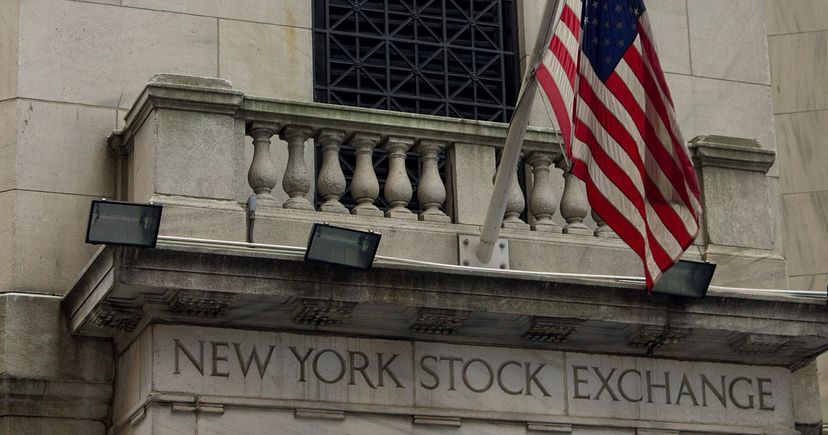
Engraved New York Stock Exchange name on its stone facade
Photo: Bouke — Wikimedia Commons (CC BY-SA 3.0; cropped)

Live watchlist

24 names

Eligible after dedupe

2 names

First-filter puts

6 lines

Mechanical passes

5

Fully verified setups

0

Morning result

Wait

The setup in 30 seconds

This morning’s screen found orderly MRVL puts but no cash-secured-put ticket. Eddie’s live watchlist held 24 names. Removing the tickers represented in the latest ten Tips left 2 eligible names, CRDO and MRVL. Six MRVL puts reached the first filter: 30–45 days to expiry (DTE), delta from 0.15 to 0.30, and at least 500 contracts of open interest. Five of those lines also cleared the mechanical checks for quoted width and comparison math. The required two-source stock confirmation was incomplete, however, so zero contracts became fully verified setups. The delayed snapshot was taken around 9:50 a.m. ET on September 2; the morning live-entry window ends 10:30 a.m. ET. Five passes at the option layer still add up to a wait when the stock foundation is not complete.

New to cash-secured puts?

Selling one put can require buying 100 shares at the strike if assignment occurs. “Cash-secured” means reserving the entire strike value in cash. A liquid-looking option is useful, but the stock reference still has to be confirmed before breakeven, cushion or return math can support an educational ticket.

Why the most active line still stopped

Observed putDTE · delta · OI · volumeQuoted-width checksResult
MRVL Oct. 16 $19044 · 0.2968 · 3,717 · 13.33% / 3.86%Mechanics passed; stock check incomplete
MRVL Oct. 16 $18544 · 0.2542 · 3,131 · 14.14% / 4.11%Mechanics passed; stock check incomplete
MRVL Oct. 16 $18044 · 0.2144 · 3,677 · 134.33% / 5.13%Mechanics passed; stock check incomplete
MRVL Oct. 16 $17544 · 0.1781 · 2,225 · 35.46% / 5.46%Mechanics passed; stock check incomplete
MRVL Oct. 2 $19030 · 0.2673 · 534 · 37.47% / 7.47%Mechanics passed; stock check incomplete
MRVL Oct. 2 $18030 · 0.1720 · 1,114 · 18.96% / 8.96%Failed the 8% width cap
First-filter MRVL observations from the September 2 delayed snapshot around 9:50 a.m. ET. These rows explain the stop; they are not entry tickets.

The October 16 MRVL $180 put was the busiest of the five mechanical survivors. It had 44 DTE, 0.2144 delta, 3,677 contracts of open interest and 13 contracts of volume. The two quoted-width observations were 4.33% and 5.13%, both below the 8% ceiling. In plain terms: the option board looked orderly enough to keep studying, but orderly quotes do not confirm the stock input used to calculate assignment economics.

Four more passes do not repair one missing foundation

The October 16 ladder also showed mechanical passes at $190, $185 and $175. Their deltas stepped down from 0.2968 to 0.2542 and 0.1781, while paired widths stayed between 3.33% and 5.46%. The October 2 $190 put had 30 DTE, 0.2673 delta, 534 contracts open and matching 7.47% widths. In plain terms: the chain offered several different distances from the stock, but none could support a finished ticket without the same missing stock confirmation.

One line failed earlier. The October 2 MRVL $180 put showed 30 DTE, 0.1720 delta, 1,114 contracts of open interest and 1 contract of volume, but both width observations measured 8.96%. CRDO produced no put that reached the first filter. In plain terms: a large open-interest number does not cancel a wide spread, and an eligible ticker is not automatically an eligible contract.

A mechanical pass is not a complete dossier

A clean bid–ask spread answers one question: can the observed option market support disciplined limit-price research? It does not confirm RSI(14), moving averages, relative volume, valuation, implied volatility versus history, earnings or the macro calendar. Because no line passed the full evidence path, this article does not publish premium, cash reserved, breakeven, annualized return or an expected fill.

What still needs confirming

  • Technicals: rebuild RSI(14), the 20/50/200-day moving averages, relative volume and support from a complete price series.
  • Valuation: compare the selected business with named peers and confirm one growth or quality measure.
  • Income: compare strike-level implied volatility with a genuine three-month norm before calling premium rich or thin.
  • Calendar: confirm earnings, distributions and this week’s macro events before defining the risk window.

That sequence protects beginners from a common mistake: treating option-board activity as a verdict on the company. The contract is only the wrapper. Assignment means owning the underlying business at a real dollar cost, so the stock facts must be as dependable as the option facts before a ticket appears.

The re-screen plan

  • Rebuild the stock reference: require the named two-source confirmation before calculating any ticket economics.
  • Refresh the chain: after 10:30 a.m. ET, every bid, ask, width, delta and volume figure is stale for entry purposes.
  • Finish one full dossier: study technicals, valuation, income and calendar only for a contract that still passes.
  • Keep the reserve uncommitted: a wait result describes the evidence, not a forecast for MRVL or CRDO.

What would invalidate the wait result

A fresh snapshot could change the answer if one eligible put still has 30–45 DTE, delta from 0.15 to 0.30, at least 500 contracts of open interest, two widths at or below 8%, acceptable comparison math and complete setup-grade stock confirmation. It would then need the full technical, valuation, income, earnings and macro dossier before publication as an educational setup.

What could go wrong by forcing a ticket

  1. False precision: one unconfirmed stock input can make assignment math look exact while its foundation is incomplete.
  2. Stale option quotes: even a 4.33% width can move after the morning window and must be rebuilt in a broker.
  3. Falling in love with a survivor: passing the first mechanics is a reason to research, not a reason to lower the final gate.

Waiting makes no call on MRVL’s next direction, and it does not label CRDO unsuitable. It means the observed evidence did not support a complete, repeatable ticket. The next screen starts from fresh stock and option data, not from a need to make today’s shortlist produce a trade.

Beginner corner

DTE is days to expiry. Delta estimates how an option price may respond to a stock move; it is not a guaranteed assignment probability. Open interest (OI) counts outstanding contracts. Quoted width is the bid–ask spread as a percentage of midpoint. A limit order controls the accepted price but does not guarantee execution.

MRVLCRDO

Sources

  1. [1]NYSE trading hours and 2026 holiday calendarNew York Stock Exchange · Accessed 2026-09-02 · Tier 1
  2. [2]U.S. market status on September 2, 2026Nasdaq · Accessed 2026-09-02 · Tier 1
  3. [3]CRDO delayed option quotes and GreeksCboe Global Markets · Accessed 2026-09-02 · Tier 1
  4. [4]CRDO listed option-chain cross-checkNasdaq · Accessed 2026-09-02 · Tier 1
  5. [5]MRVL delayed option quotes and GreeksCboe Global Markets · Accessed 2026-09-02 · Tier 1
  6. [6]MRVL listed option-chain cross-checkNasdaq · Accessed 2026-09-02 · Tier 1
  7. [7]New York Stock Exchange photograph and rights recordWikimedia Commons · Accessed 2026-09-02 · Tier 4

This content is for informational and educational purposes only and is not financial advice. Options involve risk and are not suitable for every investor. Do your own research before trading.

More tips from the desk