All Pro Tips

Wheel screen says wait: 3 puts stay above the 8% width cap

Three puts reached the first filter, but every quoted width stayed above 8%. No premium, breakeven, or entry ticket is published from the 9:50 a.m. ET snapshot.

YieldCove Desk

4 min read

Share on X
MUNBISORCL
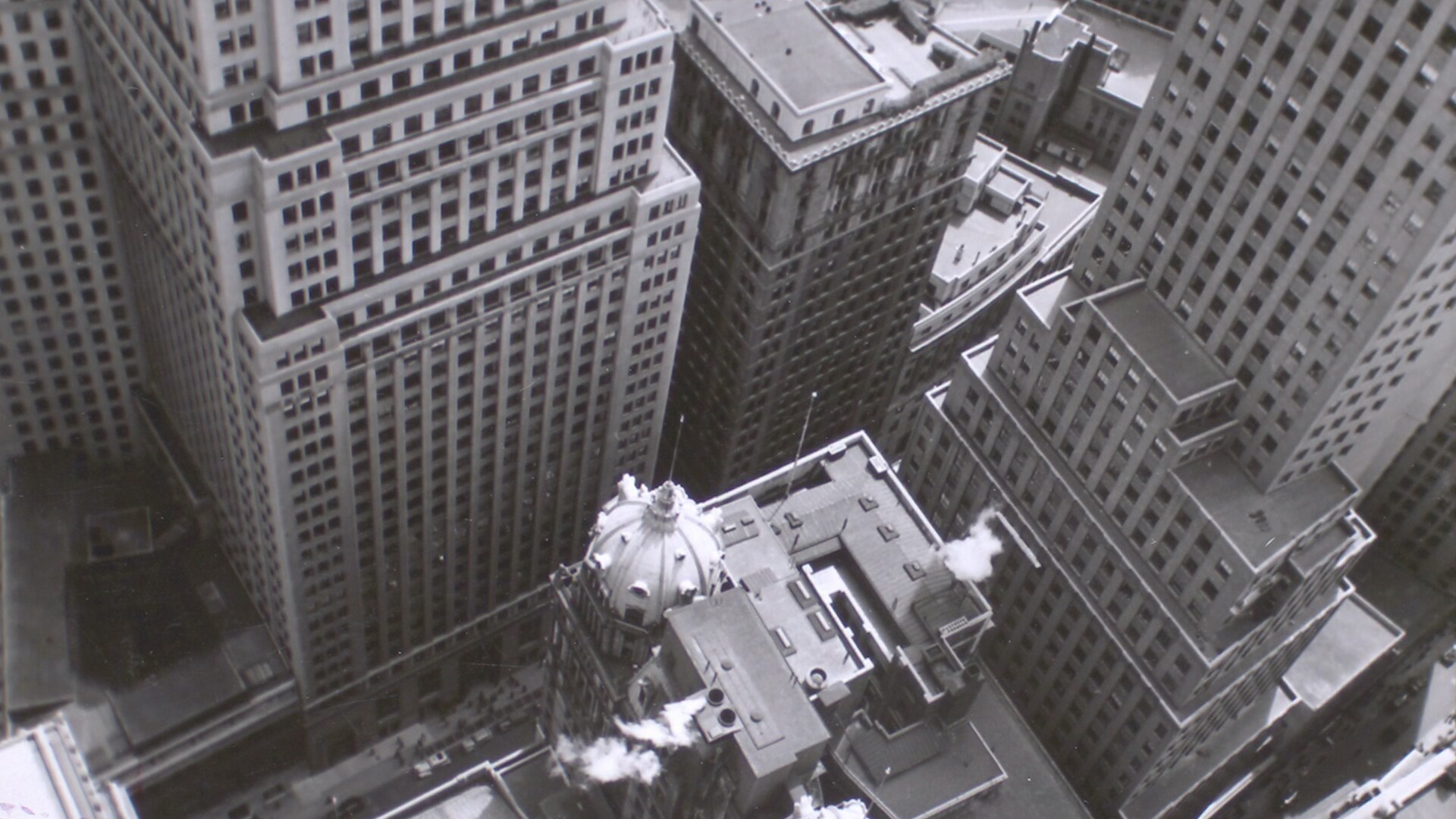
Historic Financial District rooftops viewed from One Wall Street in Manhattan
Photo: Berenice Abbott — NYPL/Wikimedia Commons (public domain; cropped)

Live watchlist

24 names

Eligible after dedupe

8 names

First-filter puts

3 lines

8%-or-tighter passes

0

Fully verified setups

0

Morning result

Wait

The setup in 30 seconds

Three puts made the first cut this morning, but none offered a narrow enough market for a complete cash-secured-put setup. Eddie’s live watchlist contained 24 names. After removing tickers represented in the latest ten Tips, 8 names remained eligible. Only 3 puts combined 30–45 days to expiry (DTE), delta from 0.15 to 0.30, and at least 500 contracts of open interest. All three stopped at the same place: each bid–ask width was above the 8% ceiling in both delayed observations. The snapshot was taken around 9:50 a.m. ET on August 28, and the morning live-entry window ends 10:30 a.m. ET. A visible midpoint is not enough when the route to that midpoint is this wide.

New to cash-secured puts?

Selling one put can require buying 100 shares at the strike if assignment occurs. “Cash-secured” means holding the full strike value in cash. Before any premium or breakeven appears, the contract needs enough activity and a tight enough market to support a disciplined limit price.

The trade today: keep the ticket blank

Observed putDTE · delta · OITwo quoted widthsResult
MU Oct. 2 $80035 · 0.222 · 66413.44% / 12.70%Both above 8%
NBIS Oct. 2 $17535 · 0.201 · 53416.95% / 15.70%Both above 8%
ORCL Oct. 2 $13035 · 0.187 · 52317.45% / 17.45%Both above 8%
Complete setup0 cleared every gateNone
First-filter observations from the August 28 delayed snapshot around 9:50 a.m. ET. These rows explain the wait result; they are not entry tickets.

MU came closest. Its October 2 $800 put had 35 DTE, 0.2215 delta, 664 contracts of open interest, and 17 contracts of displayed volume. The two quoted widths were 13.44% and 12.70%. In plain terms: buyers and sellers were still too far apart, even on the best line in the group.

Why the other two also stopped

The October 2 NBIS $175 put showed 0.2013 delta, 534 contracts of open interest, and 23 contracts of volume. Its widths were 16.95% and 15.70%. The activity count was higher than MU’s, but the doorway into the contract was wider. In plain terms: more trades did not make the observed price easier to use.

The October 2 ORCL $130 put carried 0.1872 delta and 523 contracts of open interest. Displayed volume was only 1 contract, and both observations showed a 17.45% width. In plain terms: the line met the first filter on DTE, delta, and open interest, yet its live trading interest and quoted market did not support a ticket.

Why no premium or return appears

A midpoint can be useful for comparing contracts, but it is not a promised fill. Cash reserved, breakeven, cushion and annualized return all depend on a usable entry price. Publishing those figures from a rejected market would turn comparison math into false precision.

What the first filter does—and does not—prove

  • DTE: all three contracts expire in 35 days, inside the 30–45 day window.
  • Delta: all three sit between 0.15 and 0.30, the educational screening band.
  • Open interest: each has at least 500 outstanding contracts.
  • Liquidity stop: none kept both quoted widths at or below 8%, so no ticker advanced to a full setup dossier.

That order matters. RSI, moving averages, valuation, implied-volatility history, earnings, and the macro calendar can explain a stock, but they cannot repair an option market that fails the entry gate. The company story begins only after the contract is usable; otherwise a polished thesis risks making a poor quote look better than it is.

The re-screen plan

  • Refresh both sides of the market: require two widths no greater than 8% before calculating a ticket.
  • Confirm the stock reference: rebuild the underlying price before any breakeven or cushion math.
  • Complete one dossier: calculate technicals, valuation, income, earnings, and macro facts only for a surviving line.
  • Respect the clock: after 10:30 a.m. ET, treat every bid, ask, delta, and volume figure above as stale for entry purposes.

What would invalidate the wait result

A fresh snapshot could change the answer if one put still has 30–45 DTE, delta from 0.15 to 0.30, at least 500 contracts of open interest, and two widths at or below 8%. That contract would then need a new stock-price check and the full technical, valuation, income, earnings, and macro dossier.

What could go wrong by forcing an entry

  1. Paying for width: crossing a spread above 12% can give away a meaningful part of the apparent credit immediately.
  2. Treating midpoint as money: the average of bid and ask is arithmetic, not an execution guarantee.
  3. Favouring a familiar name: relaxing the same gate for MU, NBIS, or ORCL would replace a repeatable rule with preference.

Waiting does not predict where MU, NBIS, or ORCL goes next. It says the observed contracts did not support a complete educational ticket at the snapshot time. Cash stays uncommitted, and the next screen starts from fresh prices rather than trying to make one of today’s three lines fit.

Beginner corner

DTE is days to expiry. Delta estimates how an option price may react to a stock move; it is not a guaranteed assignment probability. Open interest (OI) counts outstanding contracts. Volume counts contracts traded during the session. Quoted width is the bid–ask spread as a percentage of midpoint. A limit order controls price but cannot guarantee execution.

MUNBISORCL

Sources

  1. [1]NYSE trading hours and 2026 holiday calendarNew York Stock Exchange · Accessed 2026-08-28 · Tier 1
  2. [2]U.S. market status on August 28, 2026Nasdaq · Accessed 2026-08-28 · Tier 1
  3. [3]AEHR delayed option quotes and GreeksCboe Global Markets · Accessed 2026-08-28 · Tier 1
  4. [4]AEHR listed option-chain cross-checkNasdaq · Accessed 2026-08-28 · Tier 1
  5. [5]AMKR delayed option quotes and GreeksCboe Global Markets · Accessed 2026-08-28 · Tier 1
  6. [6]AMKR listed option-chain cross-checkNasdaq · Accessed 2026-08-28 · Tier 1
  7. [7]BE delayed option quotes and GreeksCboe Global Markets · Accessed 2026-08-28 · Tier 1
  8. [8]BE listed option-chain cross-checkNasdaq · Accessed 2026-08-28 · Tier 1
  9. [9]ENPH delayed option quotes and GreeksCboe Global Markets · Accessed 2026-08-28 · Tier 1
  10. [10]ENPH listed option-chain cross-checkNasdaq · Accessed 2026-08-28 · Tier 1
  11. [11]MSFT delayed option quotes and GreeksCboe Global Markets · Accessed 2026-08-28 · Tier 1
  12. [12]MSFT listed option-chain cross-checkNasdaq · Accessed 2026-08-28 · Tier 1
  13. [13]MU delayed option quotes and GreeksCboe Global Markets · Accessed 2026-08-28 · Tier 1
  14. [14]MU listed option-chain cross-checkNasdaq · Accessed 2026-08-28 · Tier 1
  15. [15]NBIS delayed option quotes and GreeksCboe Global Markets · Accessed 2026-08-28 · Tier 1
  16. [16]NBIS listed option-chain cross-checkNasdaq · Accessed 2026-08-28 · Tier 1
  17. [17]ORCL delayed option quotes and GreeksCboe Global Markets · Accessed 2026-08-28 · Tier 1
  18. [18]ORCL listed option-chain cross-checkNasdaq · Accessed 2026-08-28 · Tier 1
  19. [19]Financial District rooftops photograph and rights recordWikimedia Commons / New York Public Library · Accessed 2026-08-28 · Tier 4

This content is for informational and educational purposes only and is not financial advice. Options involve risk and are not suitable for every investor. Do your own research before trading.

More tips from the desk