Wheel screen says wait: 0 puts clear the first filter
Five watchlist names remained eligible, but zero puts combined the required DTE, delta and open interest. No premium, breakeven or entry ticket is published from the 9:51 a.m. ET snapshot.
YieldCove Desk
4 min read

Live watchlist
24 names
Eligible after dedupe
5 names
First-filter puts
0
Liquidity checks
0 advanced
Fully verified setups
0
Morning result
Wait
The setup in 30 seconds
The clean result this morning is an empty ticket. Eddie’s live watchlist contained 24 names. Removing every ticker represented in the latest ten Tips left 5 eligible names: AEHR, AMKR, BE, ENPH and MSFT. Across those five chains, zero puts simultaneously showed 30–45 days to expiry (DTE), delta from 0.15 to 0.30 and at least 500 contracts of open interest. That first filter comes before spread, premium or assignment math. Because no line reached it, there is no strike, credit, cash reserve, breakeven or annualized return to publish. The delayed snapshot was taken around 9:51 a.m. ET on August 31, and the morning live-entry window ends 10:30 a.m. ET. Waiting here is not a market forecast; it is the direct result of applying the same first gate to every eligible name.
New to cash-secured puts?
Selling one put can require buying 100 shares at the strike if assignment occurs. “Cash-secured” means keeping the full strike value available in cash. A useful educational ticket therefore needs both an acceptable business and an observable contract that survives the basic expiry, delta, activity and liquidity checks.
Why the shortlist is empty
| Eligible name | Required DTE | Required delta | Required open interest | Lines reaching all three |
|---|---|---|---|---|
| AEHR | 30–45 | 0.15–0.30 | 500+ | 0 |
| AMKR | 30–45 | 0.15–0.30 | 500+ | 0 |
| BE | 30–45 | 0.15–0.30 | 500+ | 0 |
| ENPH | 30–45 | 0.15–0.30 | 500+ | 0 |
| MSFT | 30–45 | 0.15–0.30 | 500+ | 0 |
The three requirements solve different problems. DTE keeps the contract inside the 30–45 day planning window. Delta keeps the strike in the educational band used for this screen. Open interest asks whether at least 500 contracts already exist at that exact strike. In plain terms: a contract must fit the calendar, the risk band and the activity floor at the same time—not one or two out of three.
No first-filter line means no pricing story
Bid–ask width is the next gate, not a substitute for the first one. If a put misses the DTE, delta or open-interest combination, a tight-looking quote does not make it eligible. Likewise, a visible midpoint does not become an expected fill. The screen did not advance any line to the required two-source width check, so it also withheld every number that would depend on an entry price.
Why the downstream boxes stay blank
Premium per share determines cash received, breakeven and the annualized comparison. Publishing those values before a contract clears the starting gate would give rejected inputs a polished appearance. The disciplined result is zero setup math, not a guessed ticket.
What was deliberately left for a future survivor
- Technicals: RSI(14), 20/50/200-day moving averages, relative volume, support and resistance belong to a selected stock—not an empty shortlist.
- Valuation: a forward multiple and named peers matter only after one assignable business has a usable contract.
- Income: current implied volatility must be compared with a genuine three-month norm at the selected strike.
- Calendar: earnings, ex-dividend timing, weekly macro events and recent company news must be checked before a live ticket appears.
That order keeps the company thesis from overpowering the option evidence. MSFT may be a larger business than the other eligible names, and the smaller names may show more dramatic daily moves, but neither fact creates a qualifying put. The contract has to earn deeper research first. Then the stock-level dossier can decide whether assignment would be acceptable and whether the premium pays for the risks.
The re-screen plan
- Refresh the same five names: new bids, asks, Greeks, open interest and volume can change during the session.
- Require the full first filter: 30–45 DTE, delta from 0.15 to 0.30 and open interest of 500 or more at one strike.
- Check liquidity twice: only a surviving put with both quoted widths at or below 8% advances.
- Build one complete dossier: confirm the stock reference, technicals, valuation, IV history, earnings and macro calendar before any ticket math.
- Respect the clock: after 10:30 a.m. ET, every observed option field must be rebuilt before it can describe an entry window.
What would invalidate the wait result
A fresh snapshot could change the answer if one eligible put reaches all three first-filter requirements and then clears the two-source liquidity test. That would authorize deeper research—not automatic publication—and every stock, calendar and pricing input would still need fresh confirmation.
What could go wrong by forcing a ticket
- Changing the window: reaching for a much shorter or longer expiry can alter assignment, gamma and time-decay risk.
- Ignoring activity: a low-open-interest strike may be harder to enter, adjust or close at a disciplined price.
- Starting with the story: choosing a familiar ticker first can turn the screen into a justification exercise instead of a repeatable filter.
An empty shortlist can be useful information. It prevents a weak contract from borrowing credibility from a strong company name, and it keeps cash uncommitted until a complete setup exists. The next screen begins from new evidence; it does not carry forward a favourite from this morning.
Beginner corner
DTE is days to expiry. Delta estimates how an option price may respond to a stock move; it is not a guaranteed assignment probability. Open interest (OI) counts outstanding contracts at a strike. Bid–ask width measures the gap between buyers and sellers as a percentage of midpoint. A limit order controls the accepted price but cannot guarantee execution.
Sources
- [1]NYSE trading hours and 2026 holiday calendar — New York Stock Exchange · Accessed 2026-08-31 · Tier 1
- [2]U.S. market status on August 31, 2026 — Nasdaq · Accessed 2026-08-31 · Tier 1
- [3]AEHR delayed option quotes and Greeks — Cboe Global Markets · Accessed 2026-08-31 · Tier 1
- [4]AEHR listed option-chain cross-check — Nasdaq · Accessed 2026-08-31 · Tier 1
- [5]AMKR delayed option quotes and Greeks — Cboe Global Markets · Accessed 2026-08-31 · Tier 1
- [6]AMKR listed option-chain cross-check — Nasdaq · Accessed 2026-08-31 · Tier 1
- [7]BE delayed option quotes and Greeks — Cboe Global Markets · Accessed 2026-08-31 · Tier 1
- [8]BE listed option-chain cross-check — Nasdaq · Accessed 2026-08-31 · Tier 1
- [9]ENPH delayed option quotes and Greeks — Cboe Global Markets · Accessed 2026-08-31 · Tier 1
- [10]ENPH listed option-chain cross-check — Nasdaq · Accessed 2026-08-31 · Tier 1
- [11]MSFT delayed option quotes and Greeks — Cboe Global Markets · Accessed 2026-08-31 · Tier 1
- [12]MSFT listed option-chain cross-check — Nasdaq · Accessed 2026-08-31 · Tier 1
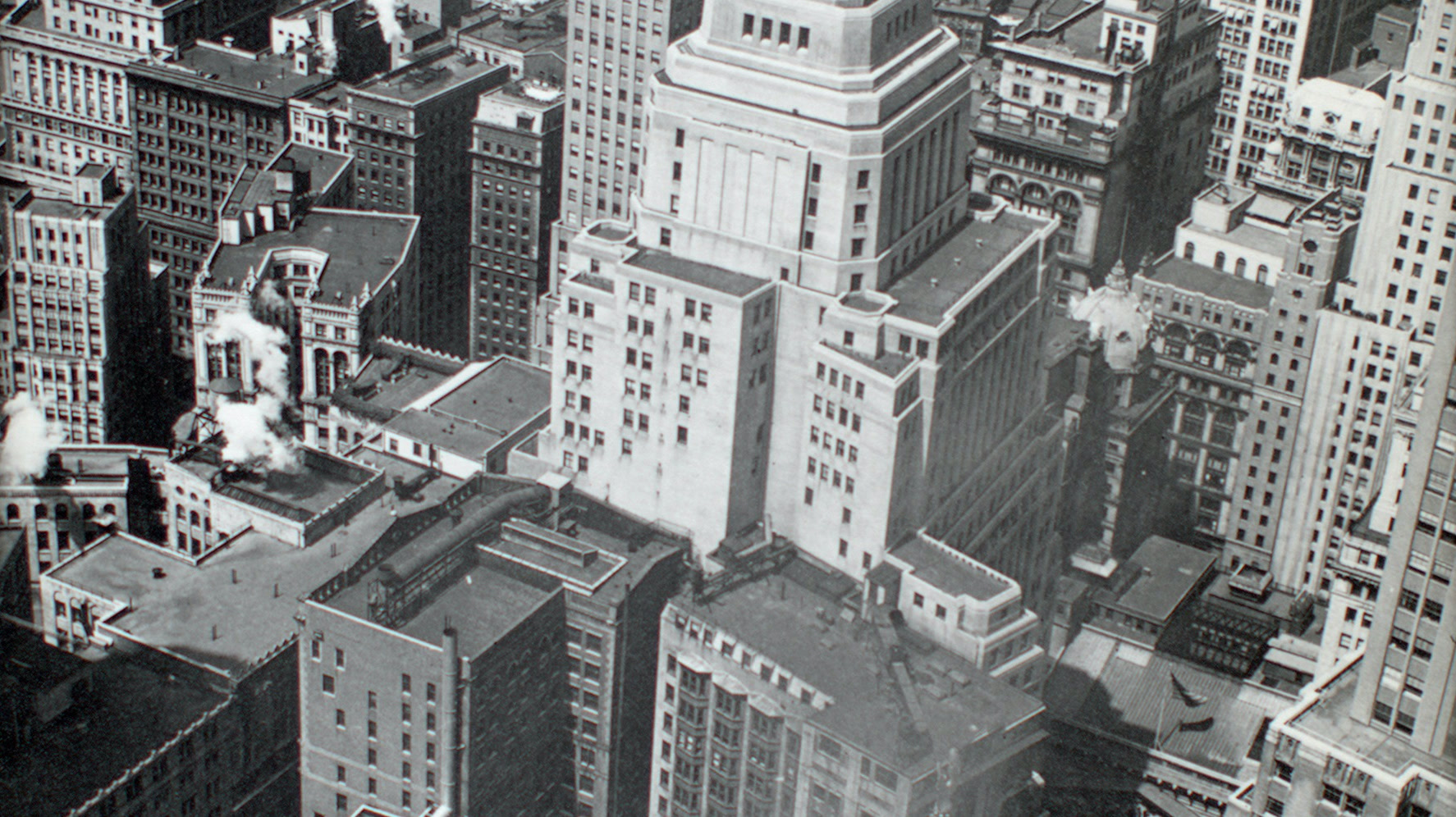
- [13]Financial District rooftops photograph and rights record — Wikimedia Commons / New York Public Library · Accessed 2026-08-31 · Tier 4
This content is for informational and educational purposes only and is not financial advice. Options involve risk and are not suitable for every investor. Do your own research before trading.
More tips from the desk

Wheel screen says wait: 5 TSLA puts need one more check
Five TSLA puts cleared the option mechanics, but the required stock confirmation was incomplete. No premium, cash reserve or entry ticket is published.

Wheel screen says wait: 5 MRVL puts still need a spot check
Six MRVL puts reached the first filter and five cleared the mechanics, but the required stock check was incomplete. No premium or entry ticket is published.

Wheel screen says wait: 0 of 24 names survive rotation
All 24 watchlist names appeared across the latest ten Tips, leaving zero fresh candidates. No ticker, contract or trade math is published from the 11:58 a.m. ET snapshot.